Fibroids
- Care built around what matters to you.
If you’ve been told you have uterine fibroids, you may have also been told to simply watch them. But a measurement on an ultrasound doesn’t tell the whole story. Where a fibroid is, and what it’s doing to your life, matters just as much as its size.
At Women’s Health Group in Chicago, Dr. Awad and our care team look at the full picture, then talk with you about medical and surgical options that fit your symptoms, your goals, and your stage of life.
- 30+ years caring for women
- In-office ultrasound imaging
- Board-certified OB-GYN care
- Medical and surgical options
Our Services
What are Uterine Fibroids?
Medically reviewed by Michael M. Awad, DO, OB-GYN
Uterine fibroids, also called leiomyomas or myomas, are noncancerous growths made of muscle and connective tissue in the uterus. They are very common, and a woman may have one fibroid or several.
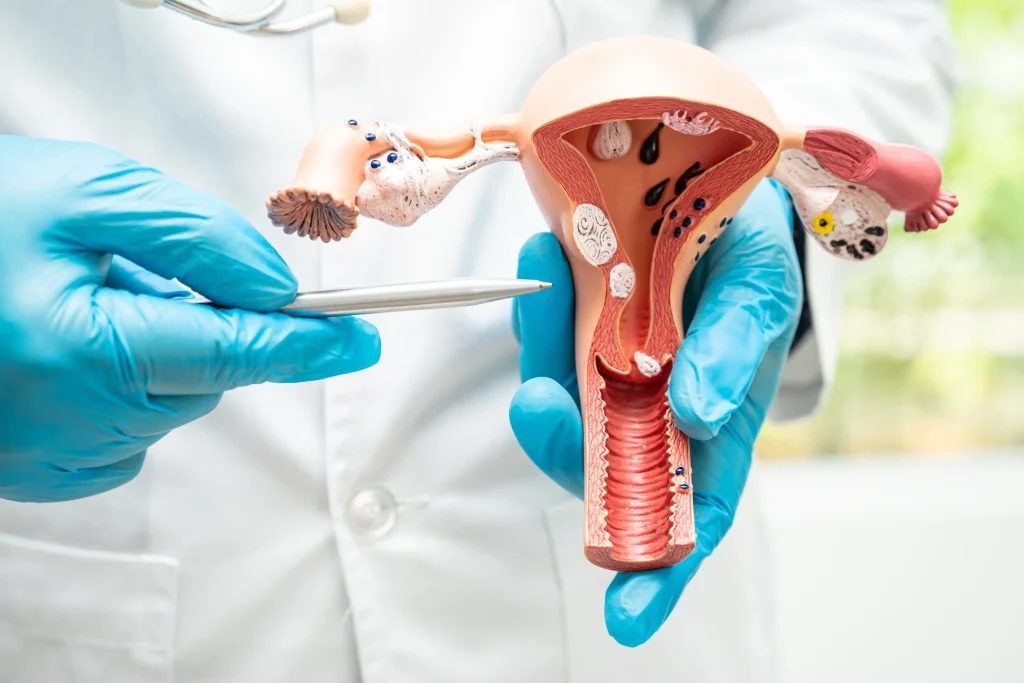
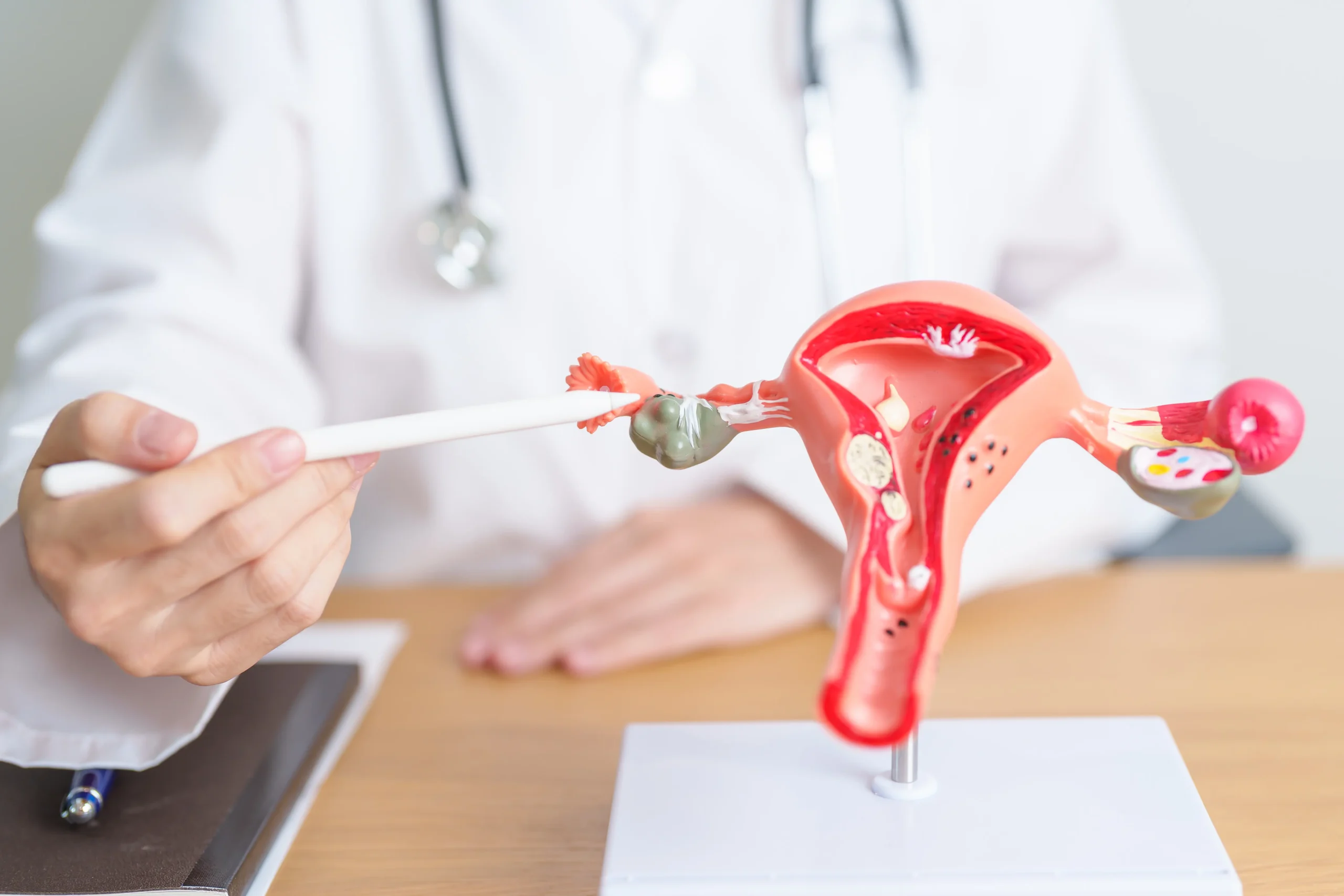
Fibroids can grow inside the uterine cavity, within the muscular wall, or on the outside of the uterus. Many women have fibroids without symptoms and never need treatment. For those who do, the location of the fibroid often shapes the symptoms and the best next step.
Location can matter as much as size.
A small fibroid inside the uterine cavity may cause heavy bleeding, while a larger one on the outside may cause only pressure, or no symptoms at all.
Fibroid Warning Signs You Should Never Ignore
Fibroids affect every woman differently. Call us if you notice:
- Heavy or long periods, such as soaking through pads or tampons quickly or passing large clots
- Bleeding between periods
- Fatigue, weakness, dizziness, or shortness of breath, which can be signs of anemia from heavy bleeding
- Pelvic pressure or fullness, or a lower belly that seems to be growing
- Frequent urination or pressure on your bladder or bowel
- Pelvic pain or pain during sex
If something doesn’t feel right, trust your instincts and reach out at (773) 992-1555. For emergencies, call 911 or go to the nearest emergency room.
- Comfort at Every Step
Strategies for Comprehensive Care
Looking Beyond Size
We look at where your fibroids are, how many there are, and whether they explain your symptoms, not just the largest number on a report.
Detailed In-Office Imaging
Much of your fibroid evaluation can be done with ultrasound right in our office, reviewed by Dr. Awad alongside your symptoms and history.
Treating the Whole You
If heavy bleeding has caused low iron or anemia, we address that too, because controlling the bleeding is only part of feeling better.
Plans That Fit Your Goals
Whether you want lighter periods, less pressure, a future pregnancy, or a long-term solution, your goals shape your treatment plan.
Fibroids and Fertility
Many women with fibroids become pregnant without any trouble, and having fibroids doesn’t automatically mean infertility. The clearest concern is with fibroids that change the shape of the uterine cavity.
If you hope to become pregnant, we look closely at where your fibroids are and whether treating them is likely to help. Learn more in our post on uterine fibroids in Chicago, or visit our infertility page.

- Care That Fits Your Life
The Personal Nature of Fibroid Care
Two Women, Two Experiences
Two women with similar fibroids can have completely different symptoms. Your care is based on what you are actually experiencing.
Your Goals Can Change
What you need during your childbearing years may differ from what you want later. We revisit your plan as your life changes.
Your Fibroid Journey:
Consultation
We talk about your symptoms, your periods, your health history, and what matters most to you, then do a pelvic exam.
Imaging
A pelvic ultrasound shows the size, number, and location of your fibroids. In some cases, other imaging such as an MRI may be recommended.
Plan
Dr. Awad reviews your imaging with you and walks through the options that fit your goals, from monitoring to medication to surgery.
You don’t have to choose between doing nothing and surgery. Depending on your fibroids and your goals, there may be several options to consider.*
*Not every option is right for every woman. Talk with Dr. Awad about which treatments fit your situation.
Watchful monitoring
If your fibroids aren’t causing problems, regular check-ins to track your symptoms may be all you need for now.
Medication
Non-hormonal and hormonal medications, including a hormonal IUD, can help control heavy bleeding and pain without removing the fibroids.
Myomectomy
Removes fibroids while keeping the uterus, through hysteroscopy, laparoscopic or robotic surgery, or an abdominal incision, depending on the fibroids.
Other procedures and hysterectomy
Uterine fibroid embolization and other minimally invasive options may fit some women. A hysterectomy is a definitive option, but rarely the only one.
Common Fibroid Questions We Hear Most
Are fibroids cancerous?
Fibroids are noncancerous growths. A rare cancer of the uterus called leiomyosarcoma is a different condition, not a typical fibroid that has turned into cancer.
Do all fibroids need treatment?
No. If your fibroids aren’t causing significant symptoms, monitoring may be appropriate. Treatment matters more when they affect your bleeding, comfort, or fertility.*
*Dr. Awad will help you decide what is right for you.
Can fibroids be treated without surgery?
Yes. Medications can help control bleeding and pain for many women. They manage symptoms rather than remove fibroids, so we’ll talk through what to expect.
Can fibroids come back after removal?
Fibroids that are removed don’t grow back, but new fibroids can develop later. Your age and future plans are part of choosing the right treatment.
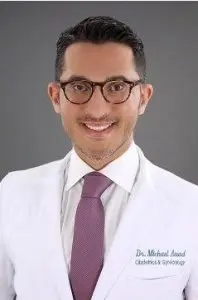
Michael M. Awad, DO, OB-GYN
Dr. Mike Awad is a second-generation OB-GYN whose areas of focus include uterine fibroids, abnormal bleeding, endometriosis, and pelvic pain. As a skilled robotic gynecologic surgeon, he favors minimally invasive treatment while recognizing that surgery is not always the first or best answer. His philosophy is simple: meet every patient where she is, listen carefully, and make sure she feels understood and confident in her care.
Your comfort, privacy, and dignity come first
Pelvic exams and ultrasounds are personal, and it’s natural to feel nervous. You deserve care that is gentle, patient, and respectful. Here is our promise to you.
Your comfort is our priority
We never rush your exam or ultrasound, and you can ask us to pause at any time.
We explain first, then proceed together
Before every step, we walk you through what to expect and why, in plain language and at your pace. You can ask us to pause at any time.
Your choice is respected
Whether you choose monitoring, medication, or surgery, or want more time to decide, the decision is always yours.
Your information stays private
Your conversations and records are protected, and follow-up messages go through our secure patient portal.
Get a Fibroid Plan Built Around You
Fibroid care for women across Chicago’s Southwest Side, including Garfield Ridge, Clearing, Burbank, Oak Lawn, Bridgeview, and Summit. New patients are welcome. Most major insurance accepted.