
Infertility
- Growing Your Family, Together
Starting a family can fill your heart with excitement, and when it doesn’t happen as quickly as you imagined, it can bring worry, frustration, and stress. If you’ve been trying to conceive for a year, or for six months if you’re 35 or older, you may be facing infertility. Please know that you’re not alone, and there are many paths forward.
At Women’s Health Group, Dr. Awad and our caring team walk alongside you with patience and understanding. We take the time to listen to your story, explore every possible cause, and explain your options clearly, from testing and treatment to the emotional support that matters just as much. Every step is guided by your hopes and your comfort, so you can move forward with confidence toward the family you’re dreaming of.
- 30+ years caring for women
- Fertility Treatment & Support
- Board-certified OB-GYN care
- Compassionate Caregivers
- 30+ years caring for women
- Fertility Treatment & Support
- Board-certified OB - GYN care
- Compassionate Caregivers
Our Services
When Should I Address Infertility with my Doctor?
Medically reviewed by Michael M. Awad, DO, OB-GYN
It’s a good idea to talk with your doctor about fertility as soon as you start thinking about pregnancy, even before you begin trying.
A preconception visit is a chance to review your health, medications, and family history, start a prenatal vitamin with folic acid if prescribed, and address anything that could affect a future pregnancy.
Once you’re trying, general guidelines suggest scheduling an evaluation if you haven’t conceived after 12 months if you’re under 35, or after 6 months if you’re 35 to 39. If you’re 40 or older, it’s best to see your doctor right away, since fertility changes more quickly with age and early testing gives you more options.
Shared causes: Infertility isn’t only a women’s health issue. Male factors contribute in roughly a third to half of cases, which is why a complete evaluation often includes both partners.
What could cause Infertility issues when trying to get pregnant?
Ovulation problems (the most common cause in women)
- Polycystic ovary syndrome (PCOS): The most frequent cause of irregular or absent ovulation.
- Thyroid disorders or high prolactin levels: These can disrupt the hormones that trigger ovulation.
- Diminished ovarian reserve: A lower number or quality of eggs, often related to age.
- Weight, stress, or intense exercise: Being significantly underweight or overweight, high stress, or very intense exercise can all affect cycles.
Structural or tubal causes
- Blocked or damaged fallopian tubes: Often from past pelvic infections, sexually transmitted infections, or ectopic pregnancy.
- Endometriosis: Can cause inflammation, scarring, and cysts that affect the ovaries and tubes.
- Uterine fibroids, polyps, or scar tissue: These can interfere with implantation.
- Uterine shape differences: Some women are born with a uterus shaped in a way that affects pregnancy.
Age
Fertility begins to decline gradually in the early 30s and more quickly after 35, as egg quantity and quality decrease.
Male factors
Low sperm count, poor motility, or abnormal shape contribute to roughly a third to half of cases. A semen analysis is a simple, early step in any evaluation.
- Our Approach to Fertility Care
Strategies for Comprehensive Care
Thorough Evaluation
We start by understanding your whole story. Your visit may include a review of your health and cycle history, hormone testing, ovulation tracking, and a pelvic ultrasound. When there's a partner, we include a semen analysis, so both of you get answers together.
Treating Underlying Conditions
Conditions like PCOS, thyroid disorders, endometriosis, and fibroids can quietly stand in the way of pregnancy. We diagnose and treat them directly, including minimally invasive robotic surgery when it's needed, so your body is ready for the next step.
Personalized Treatment Plans
No two fertility journeys are the same. Your plan may include ovulation-inducing medication, cycle timing guidance, and lifestyle support tailored to your health and goals. We explain every option clearly and move at a pace that feels right for you.
Emotional Support and Coordinated Care
Trying to conceive can be emotionally exhausting, and your well-being matters to us. We check in on how you're feeling, connect you with support resources, and coordinate referrals to trusted fertility specialists for advanced treatments like IUI or IVF when needed.
The Emotional Landscape of Infertility
Coping with the Challenge
The emotional weight of infertility can be heavy. We offer counseling and support groups to help couples navigate this.
Staying Informed
Knowledge is empowering. We ensure patients are thoroughly informed about procedures, risks, and potential outcome
Beyond medical treatments, emotional and psychological support is crucial. We guide couples towards relevant resources and therapeutic avenues.

- Understanding t the common causes of infertility
The Complex Nature of infertility.
Ovulatory disorders
Problems with egg production or release can be a primary cause.
Tubal or pelvic causes
Block fallopian tubes or conditions like endometriosis can affect contraception.
Unexplained infertility
Sometimes, despite evaluations, a cause may not be identifiable.
Tubal or pelvic causes
Block fallopian tubes or conditions like endometriosis can affect contraception.

The Diagnostic Journey:
Ovulation Testing
Monitoring hormonal levels to determine if ovulation is occurring
Hysterosalpingography
A test to check the health and patency of fallopian tubes.
Pelvic ultrasound.
Visualizing ovaries and checking for cysts or other abnormalities
Male Evaluation
Semen analysis to check sperm health
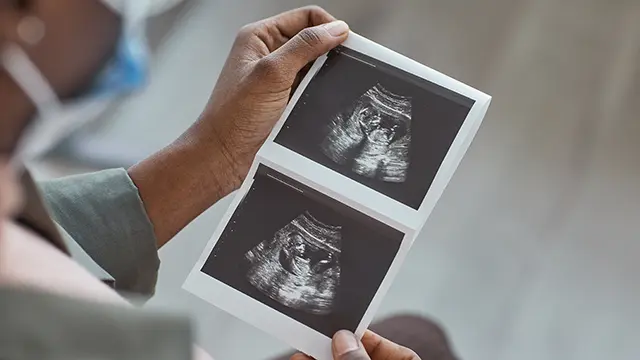
There is no single right answer for endometriosis. Your plan depends on your symptoms, your goals for pregnancy, and what matters most to you. We walk through the benefits and trade-offs of each option so you can decide with confidence.
Medication
Drugs like Clomiphene or Letrozole can stimulate ovulation.
Intrauterine Insemination (IUI)
Specially prepared sperm is placed directly into the uterus.
In Vitro Fertilization (IVF)
Eggs are retrieved, fertilized with sperm in a lab, and the embryo(s) are implanted in the uterus.
Surgery
Procedures to address conditions like endometriosis or polycystic ovary syndrome (PCOS).
Common Infertility Questions We Hear Most
Is It Something I Am Doing Wrong?
Almost never. Infertility is a medical condition, not a personal failure, and it’s often caused by factors no one can control, like ovulation disorders, blocked tubes, or sperm concerns. Male factors contribute in roughly a third to half of cases. That’s why we evaluate both partners together, without blame, so you can focus on answers and next steps.
What Tests Will I Need?
Testing usually starts simply, with blood work to check hormone levels and ovulation, a pelvic ultrasound, and a semen analysis for male partners. Some women also have an X-ray test called a hysterosalpingogram (HSG), which uses dye to check whether the fallopian tubes are open.
Can Stress Cause Infertility?
Stress alone is rarely the cause of infertility, so please don’t blame yourself for feeling anxious. However, the stress of trying to conceive is very real and can take a toll on your well-being and your relationship. We’re here to support your emotional health, and we can connect you with counseling or support groups if that would help.
Should I Bring My Partner To The Appointment
We welcome partners, and we encourage them to come. Fertility is a shared journey, and having both of you there makes it easier to review health histories, discuss test results, and make decisions together. It also means your partner can ask their own questions and feel included in the plan.

Michael M. Awad, DO, OB-GYN
Dr. Mike Awad is a second-generation OB-GYN whose areas of focus include endometriosis, pelvic pain, uterine fibroids, and abnormal bleeding. As a skilled robotic gynecologic surgeon, he favors minimally invasive treatment while recognizing that surgery is not always the first or best answer. His philosophy is simple: meet every patient where she is, listen carefully, and make sure she feels understood and confident in her care.
He works alongside our physician assistants, Morgan Johannes, PA-C, Jennifer Sykstus, PA-C, and Georgiana Gomorczak, PA-C, so you have a team who knows your story at every visit. Meet the full care team.
Your comfort, privacy, and dignity come first
Trying to conceive touches the most personal parts of life: your body, your relationships, and your hopes for the family you’re dreaming of. Sharing that journey takes trust. Here is our promise to you.
Your hopes are heard
Whether you've just started trying or have been waiting for months, we never brush off your concerns or tell you to "just relax." Every question matters, and we take the time to find real answers.
We explain first, then proceed together
Before every test or treatment, we walk you through what to expect and why, in plain language and at your pace, so you always feel informed and in control. pace.
Your information stays private.
Your fertility history, test results, and conversations are protected. Follow-up messages and results go through our secure patient portal.
You Deserve Answers and Support
Fertility care for women across Chicago’s Southwest Side, including Garfield Ridge, Clearing, Burbank, Oak Lawn, Bridgeview, and Summit. New patients welcome. Most major insurance accepted.